 Shanghai Zimai Safety Technology Co., Ltd..

Ein Lineman greift nach einem Live-Terminal. Bevor man etwas anfasst, stellt sich zunächst eine Frage. Wird dieser Handschuh die Hand schützen oder nur im Weg stehen?? Dies ist ein alltägliches Problem von Gummi-Isolierhandschuhen. Dickeres Gummi bedeutet mehr Spannungsschutz. Aber es vermittelt auch weniger das Gefühl für einen kleinen Stecker, eine Klemme oder eine lockere Schraube. Für jeden, der mit stromführenden elektrischen Geräten zu tun hat, ist das keine Kleinigkeit. Es ist eine Entscheidung, die wir jeden Tag treffen.
Diese Handschuhe schaffen auf drei Arten ein Gleichgewicht zwischen Schutz und Fingerfertigkeit. Die Spannungsklasse definiert die erforderliche Dicke. Das Material bestimmt, wie viel Flexibilität diese Dicke haben kann. Die Griffstruktur gleicht den Gefühlsverlust aus, den das dicke Gummi mit sich bringt. Die richtige Balance besteht darin, die Handschuhklasse an die tatsächliche Spannung am Arbeitsplatz anzupassen. Es kommt nicht darauf an, den dicksten Handschuh im Regal auszuwählen.
Der Artikel erklärt, wie Dicke und Spannungsklasse zusammenwirken. Dabei werden Faktoren untersucht, die die Flexibilität in einer Klasse beeinflussen. Es zeigt, wie das Griffdesign den Gefühlsverlust ausgleicht. Und es zeigt Ihnen, wie Sie die richtige Klasse für eine bestimmte Aufgabe auswählen.
Was sind isolierende Gummihandschuhe??
Isolierhandschuhe aus Gummi sind persönliche Schutzausrüstungen aus Gummi, die den Stromfluss blockieren. Diese werden von Arbeitern getragen, um ihre Hände vor Stromschlägen zu schützen, wenn sie elektrische Arbeiten unter Spannung oder in der Nähe von Spannung ausführen. Jeder Handschuh hat eine Nennspannung. Diese Klasse begrenzt die maximale Spannung, die der Handschuh aushalten kann. Darin ist auch die Mindestgummistärke angegeben, die der Handschuh haben muss. Pannenschutz.
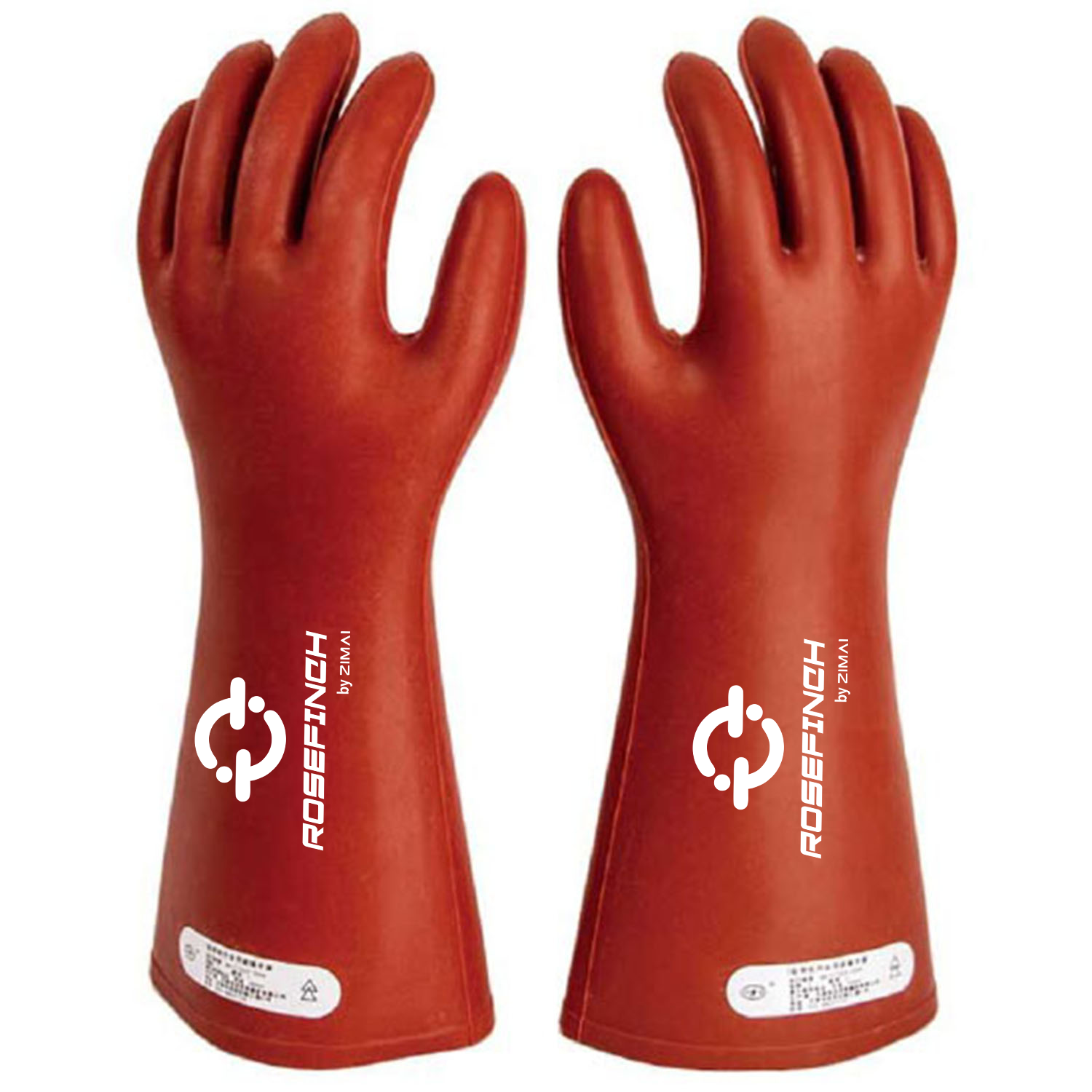
Wichtige Fakten zu Isolierhandschuhen
| Besonderheit | Beschreibung |
| Material | Gummi, der Strom blockiert, natürlich oder synthetisch |
| Einstufung | Bewertet nach Spannungsklasse, aus der Klasse 00 zur Klasse 4 |
| Hauptberuf | Blockiert Stromschläge, keine allgemeine Abnutzung |
| Zusätzliche Ausrüstung | Wird mit Lederhandschuhen für Schnitt- und Einstichverletzungen getragen |
| Testbasis | Bewertet nach Standards wie ASTM D120 oder einem ähnlichen lokalen Standard |
Isolierhandschuhe aus elektrischem Gummi im Vergleich zu allgemeinen Gummihandschuhen
Elektrische Isolierhandschuhe aus Gummi sind etwas Besonderes, Geprüftes Sicherheitsprodukt, Nur zum Blockieren von Strom ausgelegt. Normale Arbeitshandschuhe aus Gummi oder Chemikalienhandschuhe verfügen nicht über eine solche Einstufung, Dennoch fühlen sie sich dick und stark an. Ein Handschuh kann robust aussehen und dennoch den Schocktest nicht bestehen. Ersetzen Sie niemals normale Gummihandschuhe durch isolierte Gummihandschuhe, die für Arbeiten unter Spannung ausgelegt sind.
Wie bringen Gummi-Isolierhandschuhe Schutz und Fingerfertigkeit in Einklang??
Diese Handschuhe bringen Schutz und Fingerfertigkeit auf drei miteinander verbundene Arten in Einklang. Die Dicke wird durch die Spannungsklasse bestimmt, Je höher die Klasse, desto dicker das Gummi. Das von Ihnen ausgewählte Material bestimmt, wie weich oder steif sich diese Dicke anfühlt. Dann gleicht die griffige Textur das Gefühl aus, das dickes Gummi mit sich bringt.
-
Dicke: Warum es direkt an die Spannungsklasse gebunden ist
Für jede Spannungsklasse gibt es eine Mindestdicke des Gummis 00 Zu 4. Durch diese Dicke kann der Handschuh die höchsten Nennspannungen seiner Klasse blockieren. Bei der Dicke kommt es nicht auf den Stil an. Es handelt sich um eine Sicherheitsregel, die sich auf das tatsächliche Risiko der Arbeit bezieht. Eine höhere Klasse ist immer dicker, steiferer Handschuh und daran führt kein Weg vorbei.
-
Flexibilität: Was kann innerhalb einer gegebenen Dicke verbessert werden?
Gummiqualität und Handschuhdesign können immer noch einen echten Unterschied machen.“ Faktoren wie die Form des Fingers und das Nahtdesign können die Flexibilität erhöhen. Daher, Zwei gummiisolierte Handschuhe derselben Klasse sind möglicherweise nicht so flexibel. Auch wenn Sie die Dickenregel befolgen, Gutes Material und gute Verarbeitung sind nach wie vor wichtig.
-
Griff: Kompensation für reduziertes taktiles Feedback
Der strukturierte Griff hilft dabei, das Gefühl auszugleichen, das das dicke Gummi beeinträchtigt. Ein gutes Greifmuster ermöglicht es einem Arbeiter, ein Werkzeug oder ein kleines Teil zu kontrollieren. Dies ist auch dann wichtig, wenn der Tastsinn durch einen dicken Handschuh geschwächt wird. Das Griffdesign kann den wahren Unterschied zwischen einem Handschuh, der nur schützt, und einem Handschuh ausmachen, in dem eine Person tatsächlich arbeiten kann.
Spannungsklassen und deren Anforderungen verstehen
Isolierhandschuhe aus Gummi werden nach Spannungsklasse bewertet. Jede Klasse opfert etwas Geschicklichkeit für zusätzlichen Schutz.
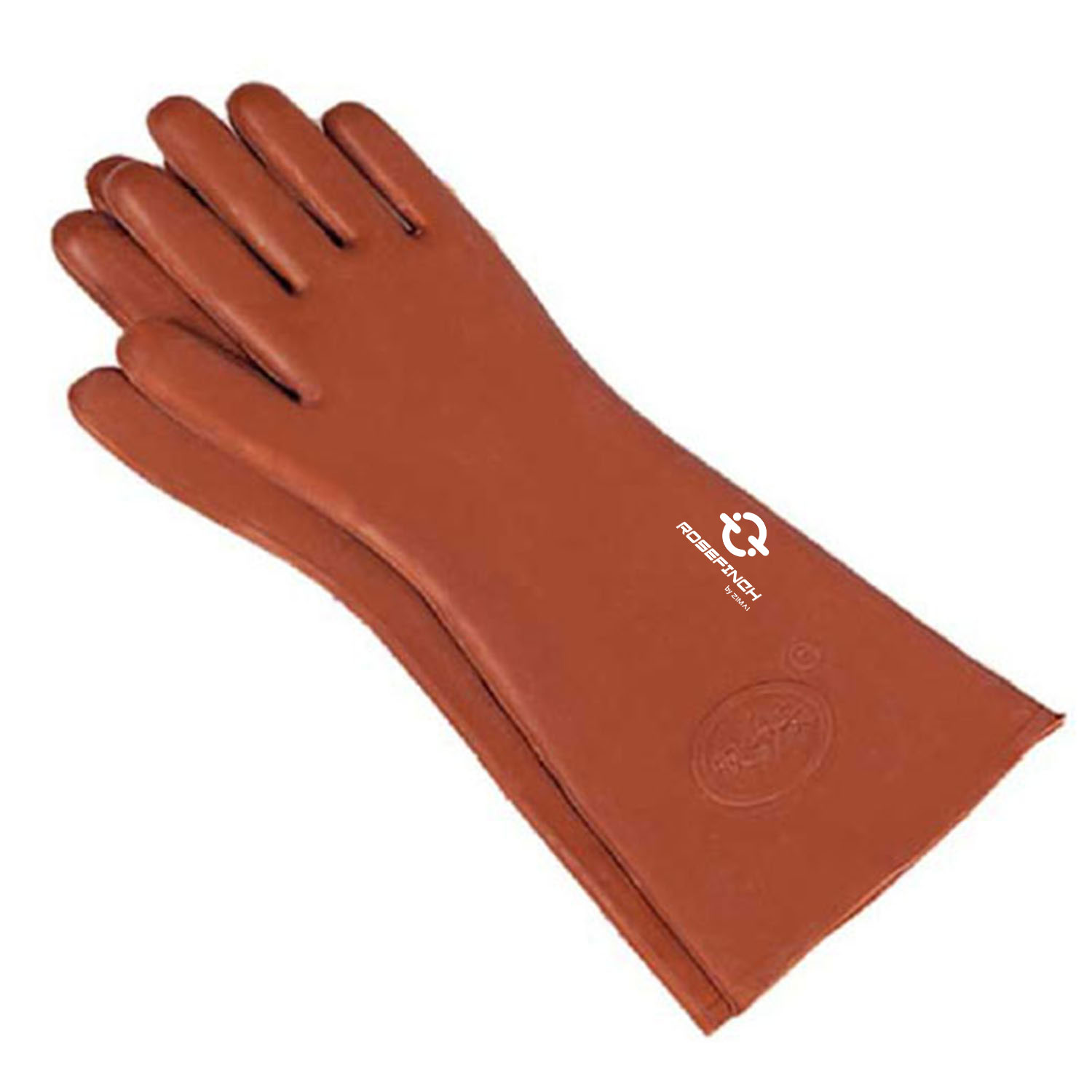
Spannungsklassen nach relativer Dicke und Geschicklichkeit
- Klasse 00 – niedrigste Nennspannung, dünnstes Gummi, größte Geschicklichkeit
- Klasse 0 – Niederspannungsnennung, immer noch ziemlich dünn und wendig
- Klasse 1 & Klasse 2 – Mittelspannungsbereich, viel dicker und steifer
- Klasse 3 und Klasse 4 – höchste Nennspannung, dickstes Gummi, geringste Geschicklichkeit
Die spezifischen Spannungszahlen und Dickenregeln basieren auf einer Prüfnorm. In den Vereinigten Staaten ist dies normalerweise ASTM D120. Andere Bereiche haben einen ähnlichen Standard. Jeder kauft isolierende Gummihandschuhe sollte die tatsächlichen Zahlen im Standard überprüfen, und nicht allein anhand der Klassennummer erraten.
Warum die Wahl der richtigen Klasse wichtiger ist als die Wahl der dicksten Option
Viele Leute denken, dass die Oberschicht immer die sicherere Wahl ist. Dies trifft in der Praxis nicht zu.
- Wenn Sie sich für eine höhere Klasse entscheiden, als für den Job erforderlich ist, wird Ihre Geschicklichkeit eingeschränkt, ohne dass es zu einem echten Sicherheitsvorteil kommt
- Es besteht die reale Gefahr, eine Klasse zu verwenden, die für die tatsächliche Spannung zu niedrig ist, selbst wenn sich der Handschuh angenehm anfühlt.
- Die richtige Wahl besteht darin, die Klasse an die tatsächliche Spannung am Arbeitsplatz anzupassen, Wählen Sie nicht immer die dickste Option.
Die richtige Abstimmung schützt den Arbeitnehmer. Außerdem haben sie so die Hände für die eigentliche Arbeit frei.
Materialqualität innerhalb einer Spannungsklasse
Nicht alle Handschuhe derselben Klasse leisten bei der Arbeit die gleiche Leistung.
- Die Qualität des Gummis bestimmt den Flex, die Reißfestigkeit und wie der Handschuh in Sonne und Ozon altert
- Eine gute Finger- und Handform kann die natürliche Bewegung verbessern, auch bei konstanter Dicke
- Gummibeschichtete Handschuhe mit besserer Isolierung in derselben Klasse bieten oft mehr Bewegungsfreiheit als eine kostengünstige Basisversion
Käufer sollten nicht nur auf die Klassennummer achten. Sie sollten auch den Gummi und die Ablagerungen hinter gummiisolierten Handschuhen berücksichtigen.
Griff- und Texturdesign für Elektroarbeiten
Das Griffdesign macht im täglichen Gebrauch einen größeren Unterschied, als den meisten Menschen bewusst ist.
- Strukturierte Handflächen und Finger helfen einem Arbeiter, Werkzeuge und Teile zu halten, wenn die Finger weniger fühlbar sind
- Griffmuster müssen den Halt verbessern, ohne die Fähigkeit des Handschuhs, Elektrizität zu blockieren, zu schwächen oder das Pannenrisiko zu erhöhen
- Einige Griffmuster sind auf nassen oder öligen Baustellen besser und das ist genauso wichtig wie die Klassenbewertung.
Für Arbeiter, die isolierte Gummihandschuhe im Freien oder bei Arbeiten im Versorgungsbereich verwenden, Das Griffmuster kann genauso wichtig sein wie der Unterricht selbst.
Verwendung von Lederschützern mit isolierenden Handschuhen
Über Isolierhandschuhen getragene Lederhandschuhe bieten echten Schutz vor Schnitten und Kratzern. Sie fügen außerdem eine Ebene hinzu, die die Bewegung der Hand verändert. Aber es ist das gesamte System, der Lederhandschuh und der Isolierhandschuh, Das fördert wirklich die Handfunktion bei der Arbeit. Sicherheitsteams sollten gummiisolierte Handschuhe als Komplettset für Elektroarbeiten behandeln, nicht nur der Isolierhandschuh.
Was treibt das Wachstum auf dem Markt für elektrisch isolierende Gummihandschuhe an??
Der Markt für elektrisch isolierende Gummihandschuhe boomt weltweit. Ein Grund dafür sind strengere Sicherheitsvorschriften am Arbeitsplatz. Ein weiterer Grund ist die verstärkte Arbeit an Versorgungsunternehmen, Projekten für saubere Energie und Stromnetzen. Auch, Immer mehr Unternehmen richten formelle Sicherheitsprogramme ein, Dies führt zu einer größeren Nachfrage nach zertifizierter Ausrüstung. Diese ständige Motivation ist einer der Hauptgründe dafür, dass der Markt für elektrisch isolierende Gummihandschuhe weiterhin Käufer anzieht, die zuvor allgemeine Schutzausrüstung verwendet haben.
Wie sollten Gummi-Isolierhandschuhe vor dem Gebrauch überprüft werden??
Sie müssen diese Handschuhe vor jedem Gebrauch überprüfen, da nicht alle Schäden sichtbar sind.
Grundlegende Checkliste für die Inspektion vor dem Gebrauch
- Untersuchen Sie den gesamten Handschuh auf Schnitte, Löcher, Risse oder darin eingebettete Fremdkörper
- Suchen Sie nach Schwachstellen, Schwellungen oder ungewöhnliche Farben, die auf Schäden durch Chemikalien oder Sonne hinweisen können
- Führen Sie einen einfachen Luft- oder Rolltest durch, um kleine Löcher zu finden, die schwer zu erkennen sind
- Stellen Sie sicher, dass der Handschuh innerhalb des vom Sicherheitsprogramm am Arbeitsplatz festgelegten Zeitrahmens getestet wurde
Einer der häufigsten und vermeidbarsten Sicherheitsfehler besteht darin, diese Prüfung zu überspringen.
So wählen Sie die richtigen Gummi-Isolierhandschuhe für den Job aus
Sie erhalten eine gute Auswahl, wenn Sie jedes Mal dieselbe kurze Liste von Fragen stellen.
Ein praktischer Auswahlrahmen
- Bestätigen Sie die tatsächliche Spitzenspannung für den Auftrag, Wählen Sie dann die entsprechende Klasse aus, nicht eins höher “Nur für den Fall”
- Gummiqualität und Verarbeitung in der richtigen Klasse, Der Komfort kann selbst bei gleicher Nennspannung unterschiedlich sein
- Passen Sie die Griffbeschaffenheit an die reale Baustelle an (nass, ölig, feine Teilarbeit)
- Spüren Sie den Unterschied bei der tatsächlichen Arbeit mit dem kompletten Sortiment an elektrischen Gummi-Isolierhandschuhen und Lederhandschuhen
Dieselbe Liste sollte bei jeder Bestellung verwendet werden, nicht nur die erste Bestellung, von Käufern, die isolierte, gummibeschichtete Handschuhe in großen Mengen bestellen.
Häufig gestellte Fragen
-
Warum beeinträchtigen dicke Isolierhandschuhe die Fingerfertigkeit??
Um eine Hochspannungsklasse zu erreichen, ist dickeres Gummi erforderlich. Diese zusätzliche Dicke nimmt etwas von der Flexibilität und Haptik billigerer Modelle ab, dünnere Handschuhe. Dies ist ein normaler Kompromiss bei der Funktionsweise der Isolierung, kein Makel am Handschuh.
-
Bietet Ihnen die höchste Spannungsklasse immer die beste Sicherheit??
NEIN, Herr. Die Erhöhung der Klasse über die eigentliche Arbeitsspannung hinaus bedeutet einen Verlust an Geschicklichkeit bei geringem oder gar keinem Gewinn an Sicherheit. Eine zu niedrige Klasse für die tatsächliche Spannung ist eine echte Gefahr. Es geht nicht darum, immer die höchste Zahl auszuwählen, aber Anpassung der Klasse an die tatsächliche Aufgabenspannung.
-
Sind alle Handschuhe mit der gleichen Nennspannung gleich beweglich??
NEIN. Die Gummiqualität und -konstruktion kann den Flex stark verändern, auch bei gleicher Dicke. Zwei elektrisch isolierende Gummihandschuhe der gleichen Klasse sind nicht immer gleich leicht und komfortabel zu arbeiten.
-
Warum werden über isolierenden Gummihandschuhen Lederprotektoren getragen??
„Lederhandschuhe bieten echten Schutz vor Schnitten, Kratzer und Einstiche. Der Isolierhandschuh allein bietet keinen echten Handschutz und keine echte Funktion bei der Arbeit. Es ist das vollständige System, Isolierhandschuh plus Lederhandschuh, der das tut.
-
Was bestimmt die Spannungsklasse eines Isolierhandschuhs??
Die Spannungsklasse basiert auf Settests. ASTM D120 ist der US-Standard. Dieser Test beweist, dass die minimale Dicke des Handschuhs der höchsten Nennspannung dieser Klasse sicher standhalten kann.
-
Wie oft werden diese Handschuhe getestet??
Diese Handschuhe müssen in den im Arbeitssicherheitsprogramm und der geltenden Norm festgelegten Abständen erneut getestet werden. Sie sollten auch vor jedem Gebrauch getestet werden. Ein Handschuh, der die Sichtprüfung oder einen Lufttest nicht besteht, muss unabhängig vom Datum des letzten formellen Tests sofort außer Betrieb genommen werden.
Abschluss
In diesen isolierenden Gummihandschuhen, Schutz und Geschicklichkeit werden ausgeglichen 3 Dinge: Die richtige Spannungsklasse, gutes Material und Verarbeitung innerhalb dieser Klasse, und Griffdesign. Der dickste Handschuh ist nicht der Punkt. Es ist die richtige Klasse für die tatsächliche Aufgabenspannung, mit dem besten Komfort und Grip in dieser Klasse.
Wenn Sie gummiisolierte Handschuhe für Elektroarbeiten suchen, Shanghai Zimai Safety Technology Co., Ltd.. ist einen Blick wert. Der angebotene Handschutzumfang umfasst dielektrische Handschuhe mit Kontur, bequeme Passform für Hochspannungsanwendungen, als Teil eines umfassenderen One-Stop-Katalogs für Sicherheitsausrüstung für Teams, die bei einem vertrauenswürdigen Lieferanten einkaufen möchten.