 Shanghai Zimai Safety Technology Co., Ltd.

Les acheteurs sont très attentifs aux indices de résistance aux coupures. Ensuite, ils commandent souvent des gants de la taille qui leur semble suffisamment proche.. La note élevée peut aller à l’encontre de la sécurité promise, et cela se produit dans les verreries, les ateliers de métallurgie et les usines alimentaires. La flexibilité de l'ajustement et l'espace pour les doigts affectent tous la protection réelle apportée à la main avec des gants résistants aux coupures..
La taille des gants a un impact sur l'adhérence et la sécurité de trois manières: ajuster, flexibilité et précision. C'est un gant trop grand. Il se regroupe et réduit le contrôle. Un gant trop petit restreindra les mouvements. La taille appropriée permettra au tissu de se plier avec la main tout en offrant un excellent contrôle de la main et une excellente sécurité du bout des doigts..
Ce guide explique à quel point une mauvaise taille nuit à la sécurité et au confort.. Cela démontre également à quoi ressemble un bon ajustement, et comment l'indice de résistance aux coupures et le matériau des gants se combinent avec la taille.
Que sont les gants résistants aux coupures?
Il s'agit d'un équipement de protection individuelle fabriqué à partir de fibres spéciales, comme l'aramide, Mélanges HPPE ou treillis d'acier. Ces fibres empêchent les coupures des lames, bords tranchants ou verre. Chaque gant a un niveau de coupe qui vous indique la force nécessaire pour couper le matériau..
Les échelles d'évaluation typiques sont le système ANSI/ISEA (A1 à A9) et la norme européenne EN 388 standard. Les deux affichent des résultats de laboratoire, pas de résultats réels.
| Fonctionnalité | Ce que cela signifie |
| Échelle de notation | ANSI/ISEA A1–A9 ou EN 388, basé sur des tests de force de coupe en laboratoire |
| Fibres communes | Aramide, HPPE, treillis d'acier, et fils mélangés |
| Principaux dangers | Lames, bords métalliques tranchants, verre, coupe-boîtes |
| Impact du dimensionnement | Contrôle le degré de protection nominale qui atteint réellement la main |
Cette protection des mains est-elle réellement résistante aux coupures?
Non, cette protection des mains n'est pas résistante aux coupures. Il a une certaine quantité de force de coupe testée, et . Et trop de force ou un mauvais mouvement de coupe peuvent toujours causer des blessures..
C'est important pour le dimensionnement, aussi. Même avant l’application d’une force ou d’un mouvement, un gant mal ajusté peut diminuer la protection réelle d'un gant bien noté.
Quelle taille affecte le plus l’adhérence et la sécurité?
Trois facteurs qui influencent le plus l'adhérence et la sécurité. Le premier est un ajustement. Un gant trop gros se froisse et diminue le contrôle. Un gant trop petit restreindra les mouvements et s’usera plus rapidement. La deuxième est la flexibilité; La bonne taille permettra aux fibres de bouger avec les articulations de votre main, au lieu de lier ou d'écarter.
-
Ajuster: Pourquoi les dimensions surdimensionnées et sous-dimensionnées créent toutes deux des risques
Des matériaux supplémentaires peuvent s'accrocher aux outils et aux machines. Cela diminue également le contrôle de l'adhérence et la zone protégée peut bouger pendant l'utilisation.. Il s'agit d'un problème courant avec gants de sécurité résistants aux coupures . La résistance aux coupures des lames est dimensionnée sans tableau approprié.
Un gant trop petit restreint le mouvement naturel de la main. Il use les fibres plus rapidement au niveau des jointures et peut créer des espaces au niveau du poignet., exactement là où la protection est la plus nécessaire.
-
Flexibilité: Comment la taille affecte le mouvement naturel de la main
La taille appropriée permet au tissu résistant aux coupures de fléchir au niveau des jointures et des articulations.. C'est en partie pourquoi gants confortables résistants aux coupures ont tendance à bien performer sur un quart de travail complet.
Un gant trop serré ou trop lâche se coincera, bloquer le mouvement ou se regrouper. Chacun de ces éléments réduit la dextérité de la main et entraîne une couverture inégale de la main..
-
Précision: Pourquoi l'ajustement du bout des doigts est le plus important
La taille du bout des doigts est importante pour le contrôle manuel et la sécurité des coupures., parce que le bout des doigts est le plus exposé, point à haut risque de la main. Retour tactile et couverture complète réunis sur des doigts de bonne taille. Un ou les deux perdus à cause de doigts de mauvaise taille.
C'est le plus important pour le verre gants résistants aux coupures où le contrôle et la couverture sont requis lors de la manipulation de tôles ou de verre brisé.
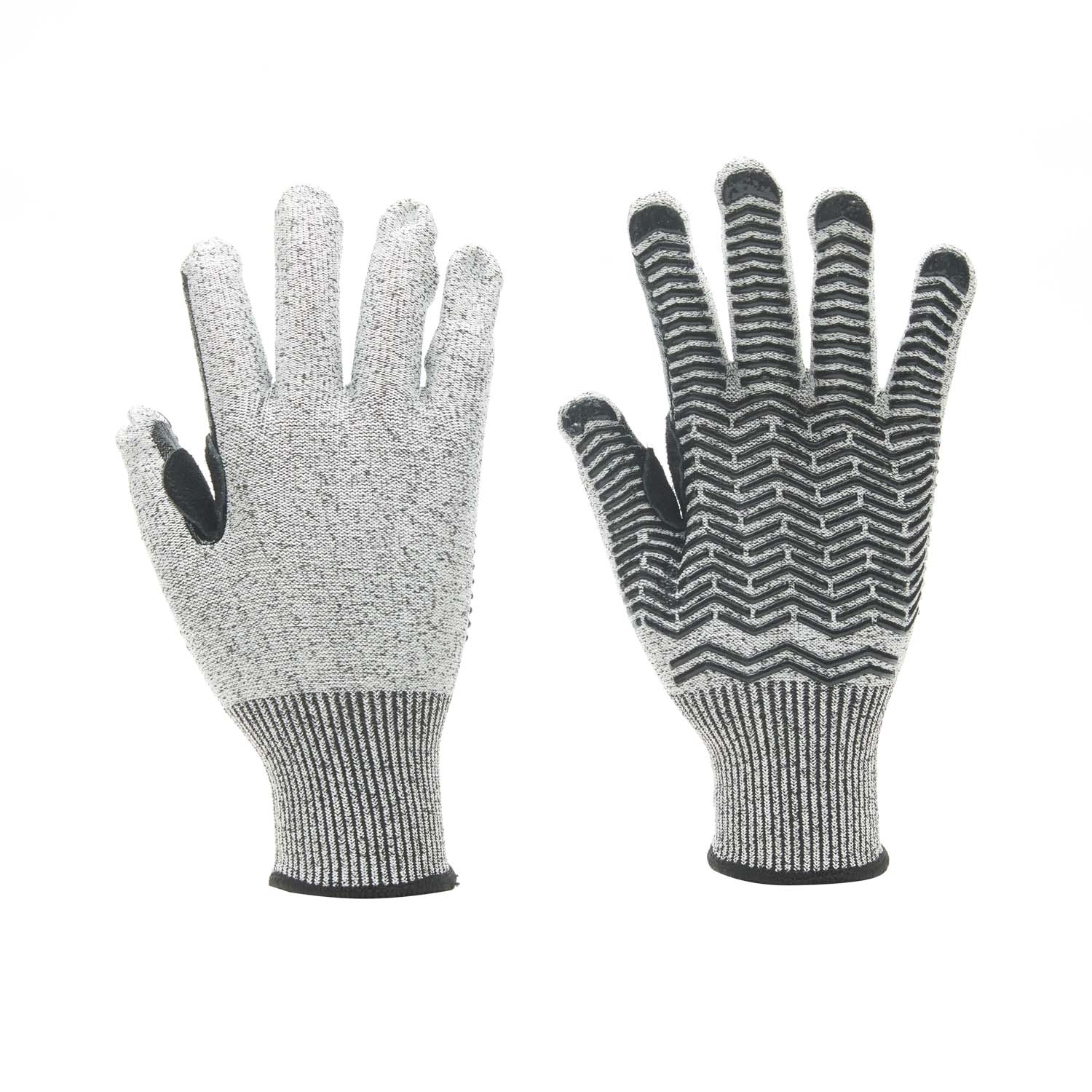
Comment un mauvais dimensionnement mine la protection contre les coupures
C'est le point de sécurité le plus important et les acheteurs et les responsables de la sécurité doivent le savoir..
- Un matériau groupé ou lâche peut éloigner la couche de fibres du point de contact exact.
- Les travailleurs retirent souvent leurs gants pour effectuer des travaux détaillés lorsque la protection est la plus nécessaire en raison d'un mauvais ajustement..
- Les matériaux lâches sur les doigts ou dans la paume peuvent s'accrocher aux outils ou aux machines., créant un danger supplémentaire.
- Les gants trop petits peuvent se fendre au niveau des coutures ou s'amincir plus rapidement aux points de tension et raccourcir leur durée de vie..
Le confort et la sécurité ne sont pas des problèmes distincts
Un mauvais ajustement est l’une des principales raisons pour lesquelles les travailleurs abandonnent leur EPI en cours de quart de travail. Ceci est particulièrement visible dans les tâches détaillées où un mauvais ajustement fait chuter les compétences manuelles au point de provoquer une réelle frustration.. Le confort et le bon ajustement sont de véritables points de sécurité, pas seulement des préférences personnelles hors de la note.
Évaluation des gants résistants aux coupures: Comment le dimensionnement interagit avec la protection
Une note indique les performances du matériau dans des conditions standard de laboratoire.. Cela ne dit pas dans quelle mesure un gant donné s’adapte à une main donnée.. Même les gants les plus résistants aux coupures sur le marché n'atteindront pas leur niveau nominal s'ils sont mal dimensionnés.. Un mauvais ajustement peut éloigner le matériau des points de contact. Cela peut également donner envie à un travailleur d'enlever son gant pour travailler en gros plan..
Considérations relatives au dimensionnement par matériau
Tous les tissus résistants aux coupures ne se comportent pas de la même manière une fois en main..
| Type de matériau | Impact sur la flexibilité | Sensibilité au dimensionnement | Priorité au meilleur ajustement |
| Gants enduits résistants aux coupures | Le revêtement réduit la flexibilité naturelle | Modéré | Ajustement du revêtement de la paume et des doigts |
| Conceptions de manipulation du verre | Nécessite une grande dextérité des doigts | Haut | Longueur précise du bout des doigts |
| Mélanges de treillis d'acier | Faible flexibilité naturelle | Haut | Taille globale de la main |
| Aramide léger ou HPPE | Flexibilité naturelle élevée | Inférieur | Ajustement confort général |
Une couche de revêtement, généralement NBR, Puan, ou du latex, a un impact sur la flexibilité du gant et doit être pris en compte dans les décisions de taille. Une tolérance moindre pour les erreurs de dimensionnement est autorisée avec les treillis en acier ou les mélanges plus lourds qu'avec les mélanges d'aramide ou HPPE plus légers..
Comment dimensionner correctement les gants
Un bon dimensionnement commence par deux mesures manuelles et un tableau de ce fabricant particulier et non par un petit générique, étiquette moyenne ou grande. Ceci s'applique à une paire de gants de sécurité résistants aux coupures ou à toute une équipe.
- Mesurez autour de la paume PAS du pouce. Mesurez à la partie la plus large de la paume.
- Mesurez la longueur de la main, du pli du poignet jusqu'au bout du majeur..
- Comparez les deux chiffres au tableau des tailles du fabricant, car les étiquettes de taille peuvent différer selon les marques.
- Essayez d'abord un petit travail de détail minutieux pour tester l'ajustement du bout des doigts avant de choisir une taille..
Le marché des gants résistants aux coupures accorde plus d’attention à l’ajustement
À mesure que le marché devient plus compétitif, les équipes de sécurité examinent l'adéquation, pas seulement une note. De plus en plus de fournisseurs proposent des tableaux de tailles détaillés et plusieurs ajustements dans le même niveau de coupe et le même matériau.. La leçon, bref: un gant que les travailleurs enlèvent parce qu’il ne leur va pas, n'offre aucune protection, quelle que soit sa note de niveau coupé.
Choisir un fabricant professionnel de gants résistants aux coupures
Vous souhaitez qu'un bon fabricant dans ce domaine vous aide dans les choix de dimensionnement, il ne suffit pas de mettre un niveau de coupure sur l'étiquette.
- Confirmez que le fournisseur fournit un tableau des tailles spécifique à la marque et pas simplement un étiquetage générique..
- Renseignez-vous sur la taille des échantillons pour les tests d'ajustement manuel avant de commander de grandes quantités.
- Demandez comment la note a été testée et si l'adéquation faisait partie de ce test.
- Recherchez un fournisseur qui propose une gamme complète de protections pour les mains afin que les tailles puissent être assorties à partir d'une seule source..
Foire aux questions
-
Existe-t-il un lien entre la taille des gants et la résistance aux coupures?
Oui. La couche protectrice de fibres peut se déplacer des points de contact en raison d'un encollage insuffisant. Les travailleurs sont également plus susceptibles d'enlever les gants mal ajustés lorsqu'ils effectuent des tâches détaillées, perdre leur protection au moment où ils en ont le plus besoin.
-
Les gants résistants aux coupures sont-ils résistants aux coupures?
Non. Ces gants sont conçus pour résister à un niveau testé de force de coupe, ne pas éliminer complètement le risque de coupure. Même si vous portez un gant qui vous va bien, vous pouvez toujours vous blesser si vous appliquez suffisamment de force ou si vous effectuez un mauvais mouvement de coupe.
-
Comment mesurer ma main pour un bon ajustement?
Mesurez la paume à son point le plus large, pas le pouce. Mesurez la longueur de la main, du pli du poignet jusqu'au bout du majeur.. Comparez les deux valeurs au tableau des tailles de ce fabricant, pas une étiquette de taille générique.
-
Est-ce que différents matériaux vont s'adapter différemment?
Oui. Mais après dimensionnement, gants enduits, les mélanges de mailles d'acier et les tissus légers en aramide ou HPPE agissent différemment. Les papiers plus lourds ou enduits tolèrent moins les erreurs de dimensionnement que les mélanges plus légers..
-
Pourquoi les travailleurs enlèvent-ils parfois leurs gants au travail?
L'une des principales raisons pour lesquelles les travailleurs retirent l'EPI lors des tâches de détail est un mauvais ajustement qui entrave les compétences manuelles.. C'est pourquoi le confort et la bonne taille sont de véritables facteurs de sécurité et pas seulement des préférences..
-
Que devrait contenir un tableau des tailles?
Un tableau utile donne à la fois les plages de tailles de paume et de longueurs de main pour chaque étiquette de taille., pas seulement un numéro. Pourquoi les graphiques spécifiques à une marque sont-ils importants? Bien, les étiquettes de taille diffèrent selon les fabricants.
Conclusion
L'ajustement, flexibilité et précision du bout des doigts se combinent pour protéger la main, pas seulement la note. Si un gant résistant aux coupures très apprécié est de mauvaise taille, cela peut être une déception en utilisation réelle, des mesures appropriées et des tableaux de tailles spécifiques à la marque sont donc aussi importants pour la sécurité que la note elle-même..
Shanghai Zimai Safety Technology Co., Ltd. est un bon choix pour les acheteurs qui ont besoin de le commander à grande échelle. L'entreprise possède de nombreuses années d'expérience dans l'exportation d'équipements de protection individuelle.