 Shanghai Zimai Safety Technology Co., Ltd.

How much pedal stroke is lost in the shoe? This is a question riders who count every watt ask before buying new wheels. Carbon fiber insoles have been tested in footwear labs for over 20 anni. The results are more conservative than most product pages admit. Stiffness changes a few things at once and power is just one of them.
This article explains how a rigid sole transfers force. It states what controlled studies have measured. It also includes operating costs and comfort costs and provides an easy way to select.
What Are Carbon Fiber Insoles?
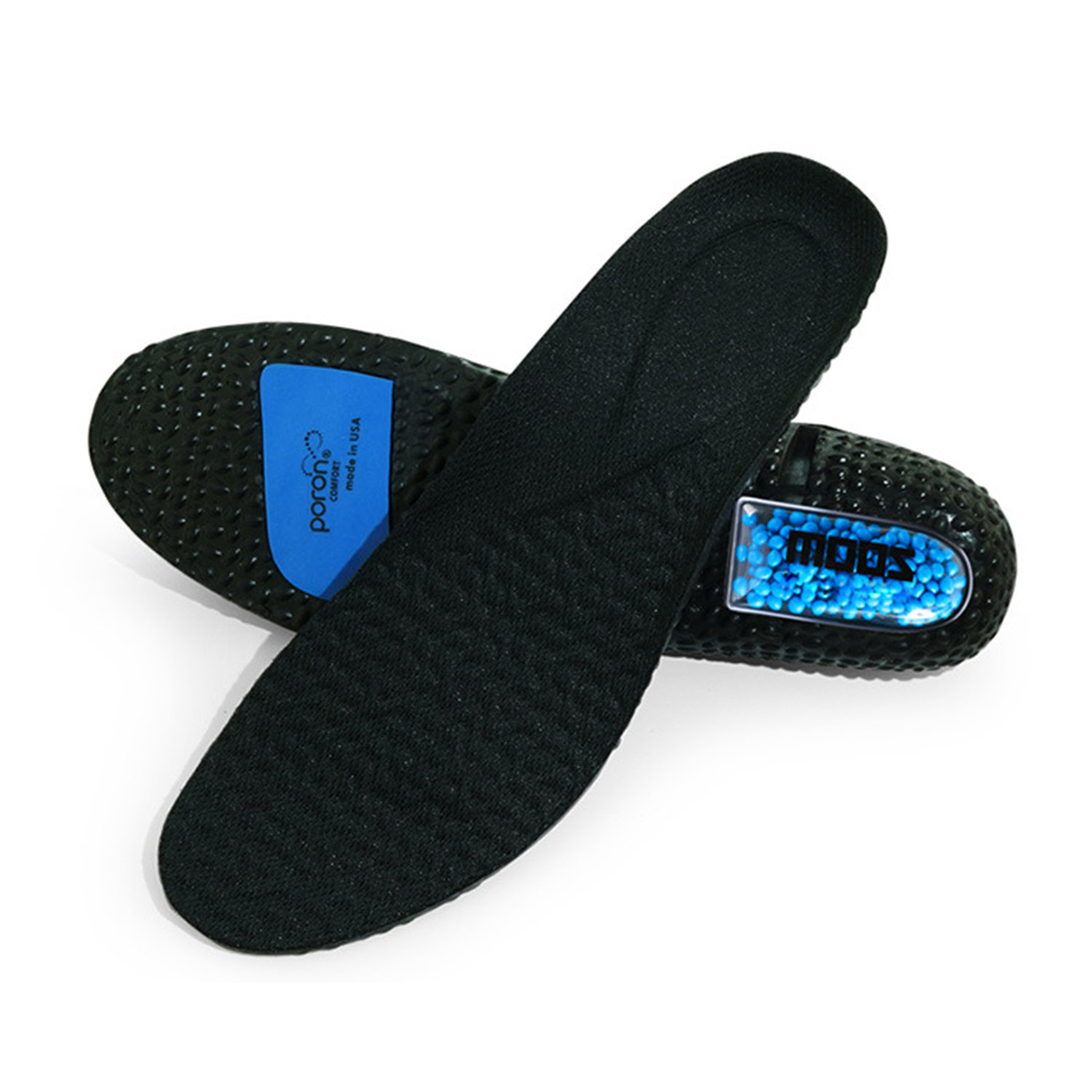
Carbon fiber insoles are lightweight, stiff footbeds built around a carbon composite plate. They sit in the shoe and increase the sole stiffness over the stock insert. They do not add padding, but they resist bending. This makes them different from foam and gel inserts which are designed to absorb shock. The majority of insoles for carbon fiber shoes feature a soft top layer so that your foot is comfortable and the base remains firm.
Footbed Specifications at a Glance
| Property | What It Involves | Why It Matters |
| Core material | Layered carbon composite plate | High stiffness at very low weight |
| Main job | Resists lengthwise bending of the sole | Keeps force aimed at the pedal |
| Usual build | Plate bonded to a PU, foam or gel top | Soft surface over a firm base |
| Against foam | Foam squashes; carbon resists bending | The two solve different problems |
| Common sizes | Full ranges such as EU 35–48 | Fit must match the space in the shoe |
Why Do Carbon Fiber Insoles Suit Cycling Shoe Power Transfer?
Carbon fiber insoles are a good fit for cycling power transfer, because a stiff base flexes less than a soft base. If the sole flexes around the pedal, some of the force is absorbed by the shoe. That force never cranks the crank. A firm footbed will also keep the foot in one place, so the contact area stays the same.
-
Stiffness: Why a Firm Base Changes Force Delivery
The sole is bent and acts like a spring. It stores force as it flexes. It then returns that force late, after the useful part of the stroke. Carbon resists this bending and distributes the load through the footbed.
-
Efficiency: What Less Flex Actually Saves
Here efficiency is the effort involved in producing a given output. The little muscles in the foot and lower leg work on a soft base to hold position. A solid base cuts out that extra work. This manifests as less foot fatigue much more often than as increased power.
-
Response: Why a Stiff Base Feels Direct
Response is how fast the pedal applies force. A stiff footbed avoids the small delay of a soft sole. Then, effort is direct, not soft. That feeling is authentic. But still, feeling and measured output are two different things.
How Do Carbon Plates Compare With Other Footbed Materials?
Stiff insoles carbon fiber is the stiffest per weight. “Cost tends to go up with stiffness. Comfort seldom falls.
Footbed Materials Ranked by Stiffness Under Load
- Carbon composite- lightest and stiffest, with almost no flex under normal pedaling loads.
- Glass-fiber and nylon composites- hard but not stiff, cheaper; a nylon sole tested at 194 N·m/rad.
- Thermoplastic polyurethane (TPU)- soft and compliant; test soles in this group have measured as low as 9 N·m/rad.
- EVA and PU foam – designed to compress under load, so comfort is more important than force transfer.
- Lattice, coconut fiber and gel layers- selected for comfort, airflow and sweat control, not structural role.
The real choice is rarely foam vs. carbon. How much stiffness justifies the pressure difference it produces.
Do Carbon Fiber Running Insoles Work the Same Way?
No. Carbon fiber running insoles, another thing. Running is about rolling from heel to toe. Cycling has a fixed link to the crank.
Plates that move are curved. They stiffen the toe joint, and alter ankle motion. Curved-plate, springy-foam racing shoes reduce the energy cost of running by around 4%. That gain is relative to normal race shoes. The normal saving from pooled reviews is around 2% A 3%.
One thing people often miss. The difference, say the researchers, is a combination of the plate and the foam, not just stiffness. That won’t happen by bolting a stiff plate to a normal running shoe.
Use in Other Sports
Court sports, skating and some field footwear also utilize carbon fiber insoles for athletes. A controlled test with a stiff carbon footbed yielded roughly 1.5 percent more power and 1 percent more agility. The same test showed increased shin and calf muscle activity and decreased comfort scores. A stiffness that helps one motion may add work to another.
What Are the Tradeoffs of a Very Stiff Footbed?
The main cost of stiffness is pressure. The stiff plate does not relieve the foot. It moves the load, and the new pattern will not fit all feet.
Drawbacks Reported in Testing
- Higher forefoot pressure. Carbon soles increased peak forefoot pressure by 18% compared to plastic soles at a constant 400 Potenza W. Most noticeable to riders after two hours.
- Pressure moves rather than leaves. In a test of cyclists with standard vs. carbon footbeds, peak pressure was lower at the heel, midfoot and first metatarsal head. Pressure increased at the toes and the fifth metatarsal head.
- More muscle work. Stiff footbeds increased tibialis anterior and gastrocnemius medialis activity They also felt less comfortable than a softer insert.
- Changed fit. UN carbon fiber foot insoles packs a shoe differently than a stock insert. Changeable Shoe tightness, heel hold.
How Should a Rider Choose Carbon Fiber Performance Insoles?
First pick a fit and pressure. Then, check the stiffness. A footbed that causes numbness is not worth the time lost to any gained stiffness.
A Five-Step Selection Process
- Make room. Remove the stock insert; check that a stiff replacement gives adequate depth over the instep.
- Match the shape of the arch.” Support that is not foot follow’s load on one small area.
- Stiffness to ride length ratio. Maximum stiffness is suited to short, hard efforts. Long days are often good for a softer base.
- Ease off. Try two or three short sessions before you wear new carbon fiber shoe insoles for a full day.
- Judge by pressure, not claims. The signals that count: hot spots, numbness, toe pressure.
For running, choose a product designed around a running motion. Don’t use a cycling plate anymore.
Frequently Asked Questions
Why do cyclists wear carbon fiber soles?
Cyclists wear them to decrease sole flex, stabilize the foot and channel force to the pedal. The most consistent gains in testing have been in support of the foot and in fatigue.
- Restricts the longitudinal flexing of the sole under load
- Keeps the foot firm throughout the stroke
- Adds negligible weight to the shoe
Stiff footbeds and power output?
Not by any measurable amount of testing, now that the sole is already hard. The uphill sprint test compared nylon, blended and full carbon soles. There was no difference in power, cadence or crank torque (all p > 0.31).
- Gross efficiency was about 0.5 percentage points different, which was not significant
- Nothing at the stiff end. Measured losses at very soft soles.
- Safety is still the safer reasons to upgrade Comfort and pressure
Are the foam inserts better than the carbon plates for cycling?
Yes for rigidity. No for cushioning. The foam is meant to crush under load. A carbon plate stops bending. So they have different functions.
- Foam gently dissipates pressure and absorbs shock
- Carbon maintains its shape under load
- Many footbeds feature a carbon base with a foam or gel top
Do carbon plates in running shoes work like those in cycling shoes?
No. Running plates make the toe joint stiff and alter the ankle’s motion at toe-off. Cycling uses a static position of the foot on the pedal.
- Figure 4 Running losses are due to the combined effect of plate and foam
- You can save about 2% A 4% in energy cost with racing shoes.
- A stiff insert by itself will not copy that effect
Does carbon fiber insole shoes require an additional plate?
Not usually. A stiff footbed in a shoe that already has a full carbon sole doesn’t do much to improve it. Extra bulk can also screw up the fit.
- Aftermarket plates are best with nylon or composite soles
- Arch support would still be worth an upgrade by itself
- Check the depth before putting in any stiff insert
Can a stiff footbed cause foot pain?
SÌ. More stiffness increases peak pressure under parts of the forefoot. That correlates with hot spots, numbness and metatarsal pain on long rides.
- Forefoot pressure rose 18% with carbon soles in controlled testing
- The cleat position and the shape of the footbed affect the result.
- Lasting numbness means a fit problem, not a break-in period
Conclusion
Carbon fiber insoles work, says physics. They cut sole flex, stabilize the foot and make pedaling feel direct. What the evidence does not support is the promise of free watts. There are good reasons to fit one, such as foot support and fatigue control. The key is pressure comfort.
Shanghai Zimai Safety Technology Co., Ltd. is the top manufactures for personal protective equipment. It is certified to ISO 9001:2015 e iso 14001:2015. This is important when footbeds are part of an overall shoe program.