 Shanghai Zimai Safety Technology Co., Ltd.

How does a buyer know a PPE order is appropriate for the actual hazards on site? Most teams begin with a catalog. Good teams start by writing down the hazards.
Xangai Zimai Tecnologia de Segurança Co., Ltda. (Zimai) has over 30 years export experience in PPE. When the buyer and the safety lead utilize a single record, hazard based PPE procurement functions best. This procedure involves five phases. They are registration, task, exposure, leftover risk and specification.
How Hazard Based PPE Procurement Works from Register to Purchase
What is the definition?
Hazard based PPE procurement is a means of obtaining PPE from a list of hazards. Each order item is associated with one danger, one job and one wearer. The buyer doesn’t start with a catalog. The buyer faces the true hazards on site. That maintains the sequence nice and straightforward. It prevents waste, since you don’t buy anything without a documented purpose. You may verify every line thereafter.
What are the Five Steps?
- Register: Identify risks from the risk assessment.
- Task: Match each danger to the step in the task that you see it.
- Exposure: Observe the damage being inflicted on the body.
- Leftover risk: Check what is left after other controls.
- Specification: Write 1 clear PPE line for each risk remaining
These follow stages the hierarchy of controls. Remove the Hazard First. Then try different controls. Finally, don PPE.
The ZIMAI Certificates website lists three rules. PPE should suit the hazard. It has to fit the wearer. It has to work with other PPE.
What Information Is Needed Before Specifying PPE?
Seven things you need to know before writing a PPE line. They are the job, the danger, the exposure route, the time, the work site, the wearer, the other PPE worn and the remaining risk. Without them the order is a guess.
Pre-Specification Checklist
- The task and the hazard: What is the work, and what can hurt the worker?
- The exposure route: Does the harm reach the lungs, skin, eyes, or ears?
- How long and how often: One minute a day is not the same as six hours a day.
- The work place: Aquecer, pisos molhados, dust, and tight spaces change the choice.
- The wearer: Tamanho, ajustar, and comfort matter.
- Other PPE worn together: A mask must fit with eyewear. Earplugs must fit with a helmet.
- The risk that is left: This decides if PPE is needed at all.
Each fact helps pick the right PPE.
Reading a Hazard Register the Way a Buyer Reads It
The buyer need the register with its five columns. They are the task’s hazard, the people at risk, the controls in place, and the remaining risk. The other columns are useful to the safety team. They do not aid you when you purchase. Show just rows indicated with PPE needed. Leave the rest for later.
Task Assessment: Where the Real Exposure Hides
Task looks assessment at each work step. It doesn’t end at the job title. Two workers with the same job title may experience completely different hazards. Time and frequency are important too.
In the morning a worker chops material. When you’re cutting, things fly about so you need to protect your eyes and face. The same person cleans the machine in the afternoon. Cleaning involves splashes, therefore hands and body should be covered. One task has two hazards and two lines of PPE.
Exposure Routes: How Harm Reaches the Body
Exposure routes are the ways harm can reach a person. Each path leads to a collection of PPE.
Breathing In
Fine droplets of dust and odors may be inhaled into the lungs. A mask or respirator will do for this danger. Refer to the Respiratory Protection page .
Skin and Body Contact
You can contact chemicals, heat and sharp edges with your hands, torso and feet. Luvas, coveralls and safety shoes protect against these threats. Other PPE Coveralls ZIMAI
Eyes and Face
Primeiro, splashes and flying pieces might smack you in the eyes. O Eye Protection site includes basic eye wear, smart eye wear and eye wash. There is a category for face protection.
Noise and Impact
Loud locations may damage hearing over time. Head injuries may be swift from falling items. Check Head Protection Check Hearing Protection.
Residual Risk: What Is Left After Other Controls
Residual risk is the risk left behind after other controls. PPE is just for this portion only. PPE should be used if the risk cannot be controlled by other safeguards, recommends the ZIMAI site.
PPE protects the wearer solely. It doesn’t eliminate the risk. It doesn’t benefit a person nearby. One rule. No residual danger, no PPE line.
Writing a PPE Specification Procurement Can Actually Use
A good PPE specification is a short list of fields. A clear sheet saves back-and-forth with the supplier. It also keeps hazard based PPE procurement on track.
Fields to Include
- PPE type
- Hazard covered
- Standard or class required
- Faixa de tamanho
- Fit and comfort notes
- Fit with other PPE
- Evidence required, such as a certificate or test report
Examples from the ZIMAI Site
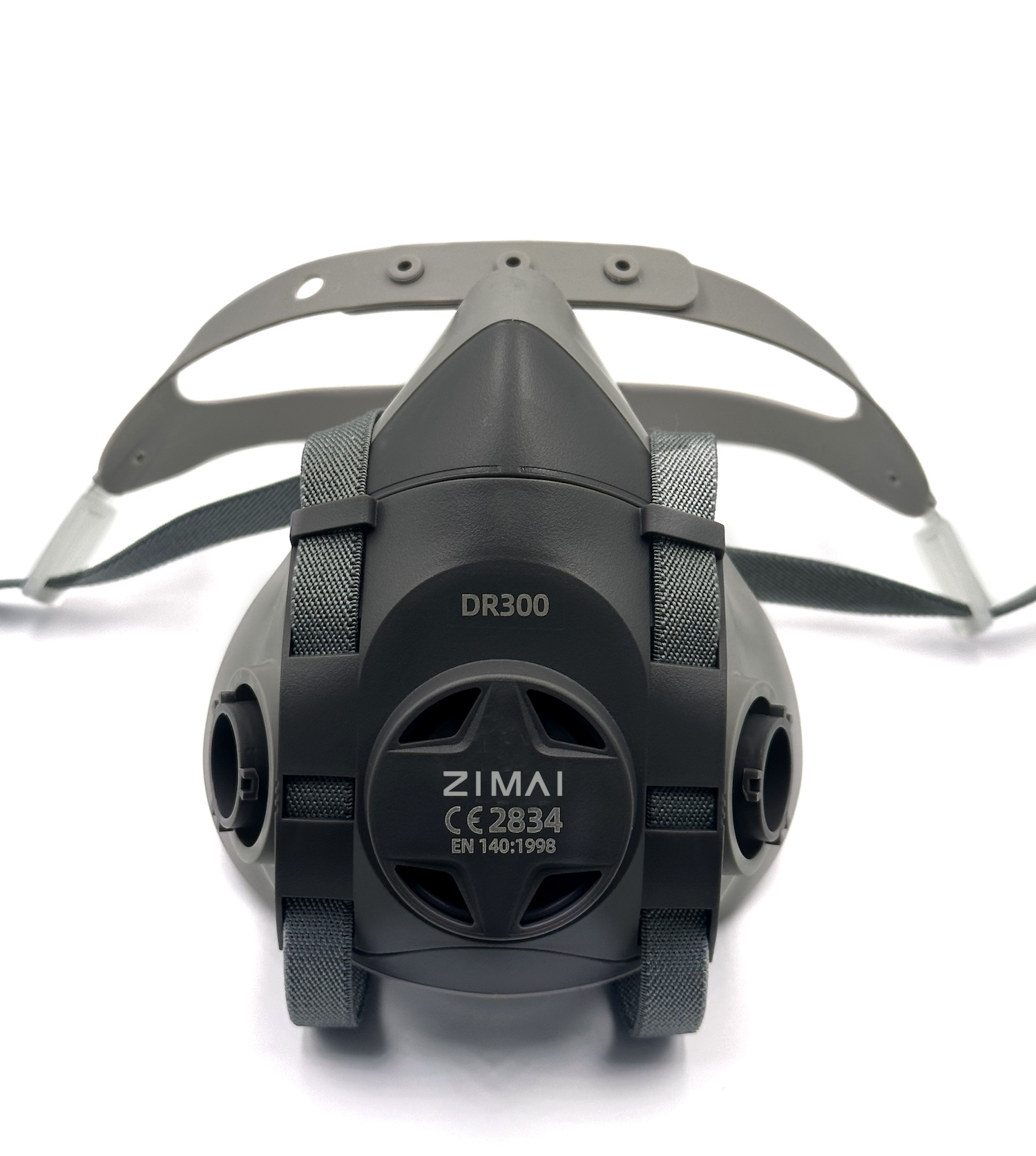
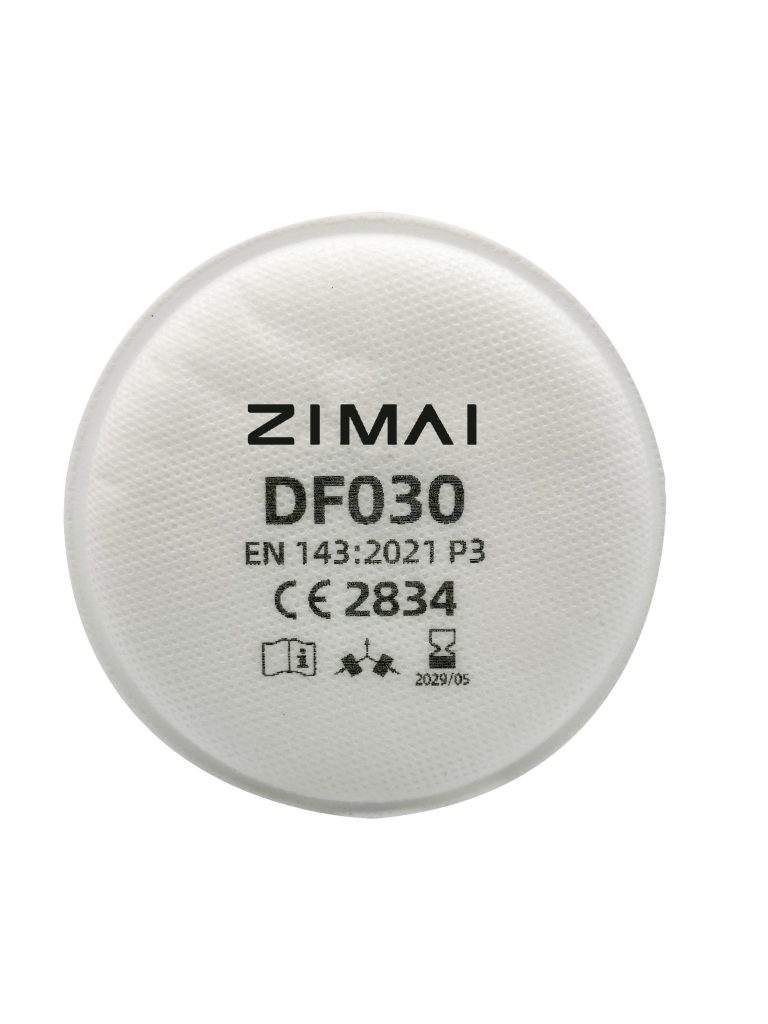
ZIMAI Two items: DR300 Respirador de meio rosto and DF030 P3 Filter. So write the facepiece and the filter on separate lines. Check fit on the product page.
The types of coveralls have names. TC300 lists Type 3B/4B/5B/6B. So enter the type into the standard.
These type notes are not specific. They’re not from the area. Tipo 3 is liquid tight. Tipo 4 is spray tight. Tipo 5 – Solid particles in the air Type 6 for splash resistant. The letter “B” is for protection against infective agents. ” Check this against the standard before you publish.

Building a Selection Matrix: One Hazard Row, One PPE Line
The “Selection matrix” is a table that relates each job to one danger and one PPE line. Each line represents an option. Read it from right to left.
Illustrative Example
| Task | Hazard | Exposure route | Residual risk | PPE specification line | Approval check |
| Cutting | Flying particles | Eyes and face | Médio | Óculos, faixa de tamanho, standard named | Fit and compatibility |
| Cleaning | Liquid splash | Skin and body | Médio | Macacão, type named | Type match, certificate on file |
| Noisy area | Loud noise | Hearing | Alto | Tampões para os ouvidos, class named | Wearer comfort, replacement plan |
This is an example table. This is not a product claim.
Can One PPE List Cover Every Task in a Factory?
Não, you cannot have a single PPE list for all tasks in a plant. One list has spaces for certain occupations. It wastes other people’s money.
The plan is better in two sections. Develop one basic list of common dangers. Add short lists for each activity. PPE must fit the job. It also must be compatible with other PPE worn simultaneously.
Procurement Approval: Who Signs Off and What They Check
There are normally three signatures. They are the safety representative, purchaser and line manager. Each one checks out a separate section of the order.
The Five-Point Check
- Hazard match: Does the item meet the hazard named?
- Wearer fit: How well does it fit the worker?
- Fit with other PPE Does it fit with the other equipment?
- File papers: Does the certificate or report get kept?
- Replacement plan Who replaces what and when?
The ZIMAI site also brings additional responsibilities. Keep PPE in excellent condition. Keep it well. Train the users. Report errors.
Checking Supplier Proof Before You Approve
Request a certificate or test report for each item, Do it before you give the nod. Don’t wait for delivery.
The ZIMAI website states these facts:
- The factory is ISO 9001:2015 e ISO 14001:2015 certificado.
- A number of factories are audited by SEDEX and BSCI.
- The majority of work gloves, sapatos de segurança, masks and Hi-Vi clothing are CE certified.
- For additional PPEs, ZIMAI exchanges testing and certifications with important vendors in China.
The About page also lists exhibits in A+A Düsseldorf (2023, 2025) and NSC Denver (2025). Your own item: Match each claim to the paper.
Mapping Mistakes That Waste Money
Four slips produce the greatest waste:
- Only purchase category name
- Circumventing the residual risk level
- One size fits all scale
- Forget the filter/additional part line
Turn Your Register into a Quote Request
Kindly send your table to ZIMAI. Use the Get a Quote or Inquiry form Clear rows mean clear solutions. E-mail: sales@zmsafety.cn We are open Monday to Friday from 8.30am to 6pm.
Also see Other PPE page. Then go to the Respiratory, Hearing, Eye, and Head sections. The PPE guidelines are given on the Certificates page .
FAQ
What is hazard based PPE procurement?
Hazard based PPE procurement is buying PPE from a written list of hazards. Each item matches one hazard and one task.
- It replaces buying from a catalog first.
- It leaves a clear paper trail.
What information is needed before specifying PPE?
The work, the danger, and how the injury gets to the body are all necessary. You also need the time, the wearer and the additional PPE used.
- Add the workplace.
- Add remaining risk.
Can one PPE list cover every task in a factory?
Não, often there is not one list that has all the tasks. Make a single master list of common dangers. Then add short lists for each job.
- This seal has holes.
- That’s money saved.
What is residual risk in PPE selection?
Residual risk is the risk that remains after additional controls. You only choose PPE for this section.
- Primeiro, remove the danger.
- PPE last.
Who should approve a PPE purchase?
It must be approved by the safety lead, the purchaser and the line manager. They each inspect a separate portion.
- The safety lead verifies the hazard match.
- The buyer looks over the filed documents.
What goes into a PPE specification?
The PPE specification states the kind, the danger, the standard, the size range, the fit and the documents required.
- Write a filter on a line by itself.
- Write a coverall style.
Conclusão
Begin with the hazard, not the catalog. A simple chart helps you purchase correct gear. Então, each thing has a clear rationale. Each risk should be on a single line.
A smart place to start is with Xangai Zimai Tecnologia de Segurança Co., Ltda. Isto offers PPE from head-to-toe. It also provides “in time delivery.” Its site claims PPE should match the threat and the individual. It also needs to work with other PPE. Send us your table and get a quotation!