 Shanghai Zimai Safety Technology Co., Ltd.

Will a glove protect your hands from a jack hammer? Can you still feel a screw going in straight? When it comes to anti vibration gloves, that’s the real question. There is no simple yes or no answer. Padding cuts down on vibration. But that very padding can deaden your sense of the tool. This guide looks at that trade in plain language. This isn’t about getting the beefiest glove on the shelf.
What you’ll learn in this guide: How do vibration dampening pads work? What they do for grip and finger feel. Choosing the right glove for the job, not just the highest rating.
What Are Anti Vibration Gloves, Exactly?
Anti vibration gloves are work gloves with padded or gel filled zones. These zones absorb the vibration before it reaches your hand and wrist. The padding is on the inside of the tool handle, against your skin. It cuts down on the energy that hits your soft tissues, joints and small blood vessels.
These gloves turn up a lot in some jobs. Think chainsaws, jackhammers, impact drivers and grinders. They are often used by builders, forestry crews, road crews and metal shops. The aim is not merely comfort. It’s reducing the long-term risk of hand-arm vibration syndrome (HAVS). HAVS is a problem with nerves and blood flow. It’s from years of tool vibration.
Every glove has different amounts of padding. Some pad only the palm. Some cover the entire hand. Some only add pads at particular finger spots.
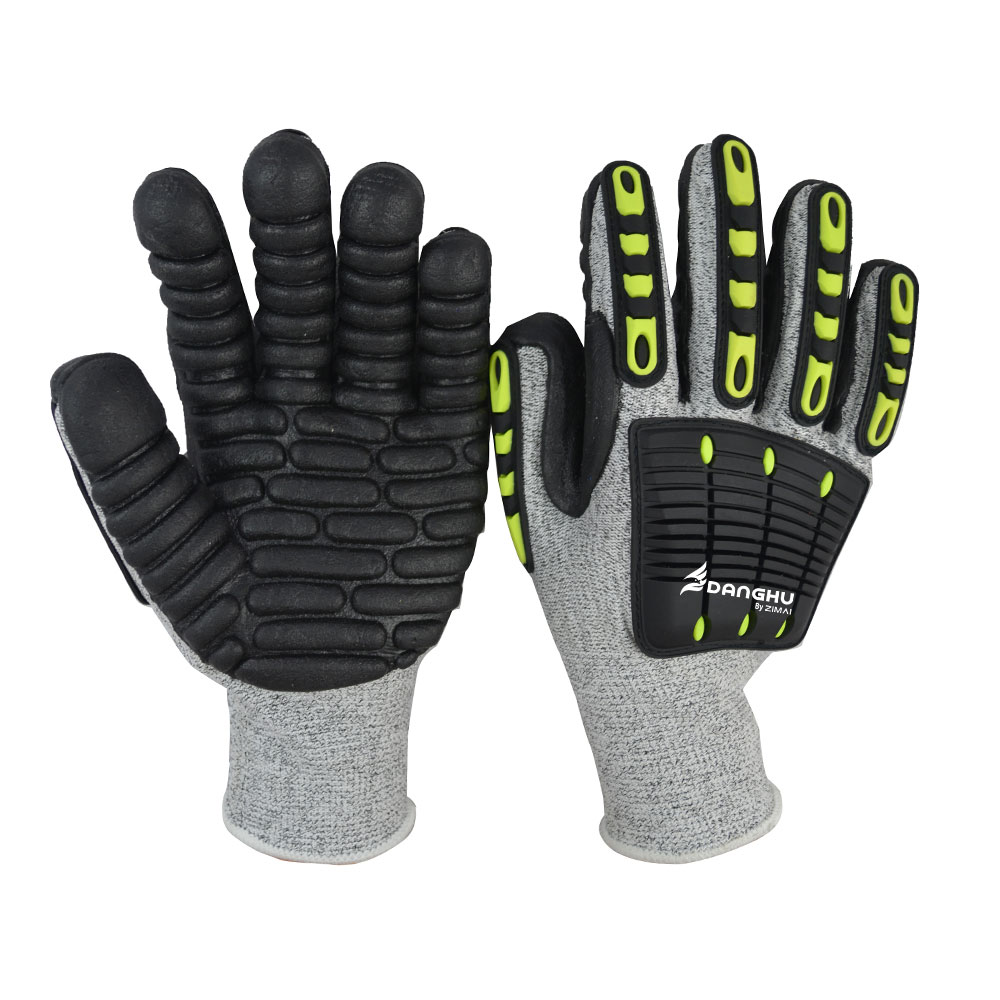
| Feature | Typical Detail |
| Main purpose | Cut vibration passed from tool to hand and wrist |
| Common pad zones | Palma, full hand, or finger-only |
| Main health target | Lower risk of hand-arm vibration syndrome (HAVS) |
| Typical users | Grinder, jackhammer, chainsaw, and drill operators |
| The trade-off | Less vibration vs. less feel and flex |
Anti Vibration Full Finger Gloves vs Partial Coverage
Full finger coverage covers the entire hand. Padding for all fingers. “That’s the most dampening a glove can provide. It helps most with tools that shake the whole palm and fingers, like demo hammers.
Partial-coverage gloves leave the fingertips uncovered or lightly covered instead. It sacrifices some vibration protection for a better feel. It’s easier when the task requires feedback from bare skin, such as turning a small screw by touch.
How Do Anti Vibration Gloves Affect Tool Control Precision?
Anti vibration gloves reduce precision when handling tools. They give you a cushion between you and the tool. This layer reduces finger feel. And it limits the range of motion in your joints, too. Thicker padding makes the effect bigger. It’s most important on jobs that require light, gentle pressure rather than a heavy grip.
Some jobs lose more feeling than others. Thick padding is of little use to a jackhammer operator. That job is mainly about hanging on and taking the shock. A worker threading a small bolt by feel loses far more. That job calls for small pressure cues, like padding blocks.
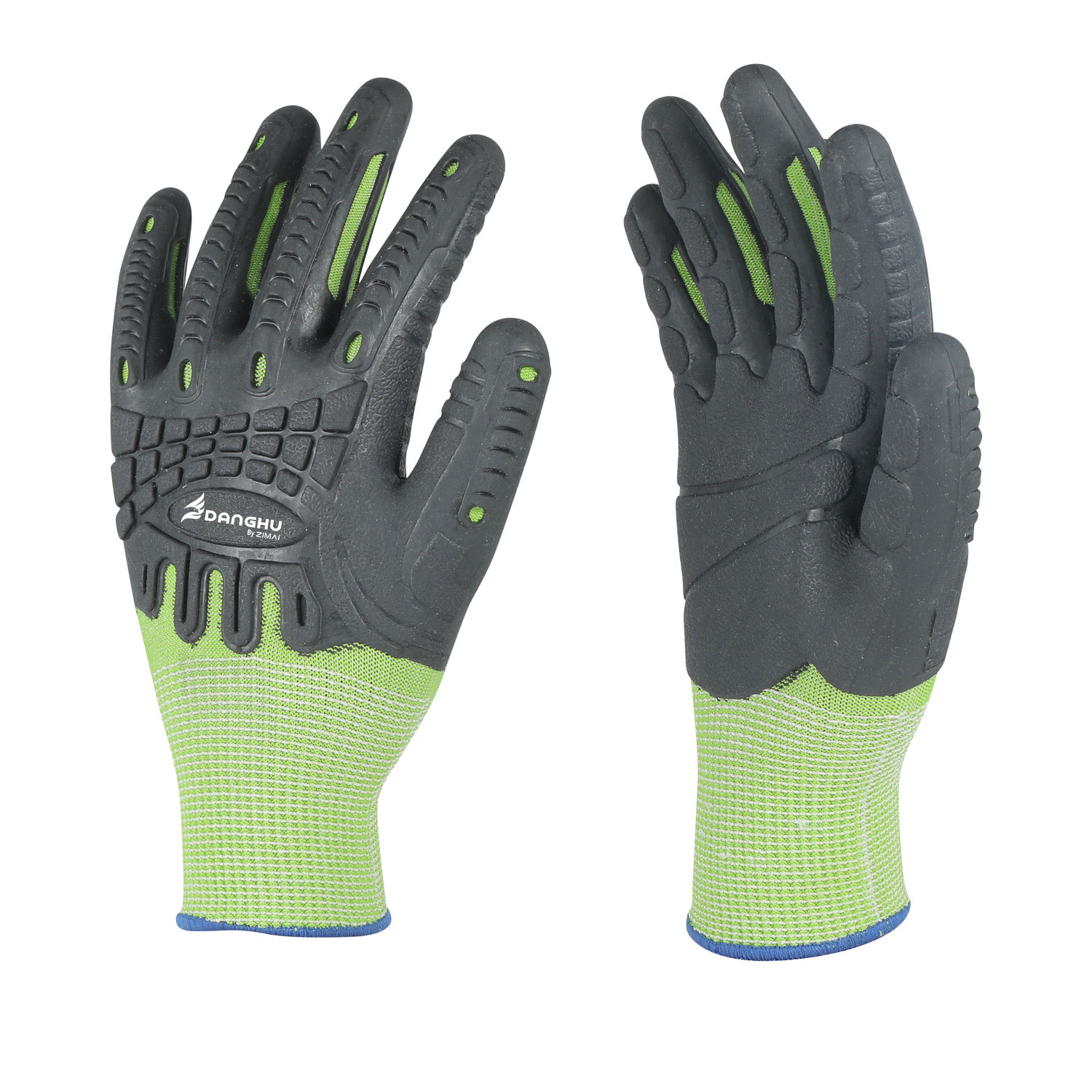
-
Flexibility: The First Tradeoff Point
The thicker the padding the harder it is to bend your knuckles and finger joints. This is most important for jobs that require fine wrist or finger control, such as turning a chuck or running a rotary tool around a curve. A little flex goes a long way for simple gripping tasks.
-
Grip: Padding vs Surface Contact
Padding between your palm and the tool’s handle. This gap can make it more difficult to judge how hard you are gripping. This is most obvious on smooth or shaking handles. There, your hand must make direct contact with the skin to catch a slip before it happens.
-
Sensibilità: What Gets Lost at the Fingertips
The fingertips are padded and this reduces your sensitivity to small changes. You may not perceive minor changes in resistance, texture, or tool feedback. This is true for exact tasks, like turning a screw to the right tightness by feel, or fine work on a grinder.
Where the Tradeoff Matters Most
This trade is not created equal for all jobs. The highest rated glove is not always the best glove for the job.
- Fine assembly or fastening work- You’ll notice the loss in feel the most here. Thin padding, often targeted, will beat full hand coverage.
- Heavy grinding or demolition- A little loss in feel is worth less vibration.
- Long, repeat high- Health in the long term often takes precedence even over feeling.
- Mixed-task shifts- fine work, heavy work and the need for two types of gloves, not one.
Materials That Balance Protection and Precision
Makers try to solve this trade-off with clever material choices. They also pad only where necessary. This is better than just making the whole glove thicker. The stuff inside each pad changes how much you retain feel.
Gel vs Foam vs Air-Cell Padding
| Materiale | Feel/Fit | Wear Over Time | Best Suited For |
| Gel insert | Molds close to hand shape | Can shift or flatten with heavy use | Palm-heavy vibration, grinders |
| Foam padding | Light and soft at first | Flattens and loses grip over months | Lighter-duty, shorter shifts |
| Air-cell padding | Stays steady in hot or cold | Adds more bulk to the glove | High-vibration tools, jackhammers |
Targeted Zone Padding
Some anti vibration work gloves have padding only where the tool touches the hand. The rest of the glove is thin and easy to move. This still makes it look like there is no need for padding.
- Palm-heel padding on drill and grinder contact points
- less padding on the finger tips for trigger and screw control
- Stretch panels on the back for easy knuckle mobility
What Makes the Best Anti Vibration Gloves on the Market
Good gloves aren’t a matter of a single thickness or a single brand name. It all depends on how well the padding fits the tool and the task. A checklist is better than a ranked list here: the right pair depends on the job.
- Vibration dampening best for the type of tool you use, not just a “high protection” label
- Fine work or heavy grinding Padding put in for the job
- Flex at knuckles & fingertips for your grip style
- A tight fit – loose gloves reduce control and dampening at the same time
What Do Safety Standards Say About Vibration Protection?
Makers often test vibration-dampening gloves to EN ISO 10819 The most common lab standard for anti-vibration glove certification on the EU market. A glove passes if it has a medium-frequency score (TRM) of less than 1.0. This means the glove does not enhance vibration. It has to have a TRH (high-frequency score) Di 0.6 or less. This achieves at least 40% reduction in vibration in that range. The standard also limits the palm padding to 8mm thick. It also must cover the palm, thumb and fingers.
Separate rules set exposure limits. The EU’s Physical Agents (Vibration) Directive sets out two limits for hand-arm vibration over an eight-hour working day. The action value is 2.5 m/s 2 UN(8). At this point, employers need to start taking action to reduce risk. The limit value is A(8) 5 m/s2 and must not be exceeded at any time. Gloves alone rarely bring exposure below these levels. They work best with the right tools and job rotation, not alone.
Beyond the Hands: Safety Arm Sleeves and Vibration Exposure
Vibration and impact hazard is not just a hand issue. Some workers wear a forearm cover when using tool for a long time. This is very useful for jobs with both vibration and flying debris.
-
What a Protective Sleeve for Arm Use Adds
This type of sleeve helps to protect cuts, scrapes or impacts on the forearm. It works with a glove, not instead of. It does not by itself dampen vibrations.
-
When Combining Both Makes Sense
Most of the time the two work best together when doing long chainsaw or grinder work. It’s also helpful on job sites with lots of flying debris. The cuff of a glove does not extend far enough to protect the skin, which is why a safety sleeve is important. That matters over a full work shift.
How to Choose the Right Pair for Your Work
The thickest pair is not the best glove for your job. The best glove is the one with the right dampening and padding.
- Match the dampening to the vibration output of your tool, not some generic “high protection” label
- If your job involves screws, switches or fine touch, put your finger-tip feel first
- If your job is long, high vibration, low on fine work, put full-hand dampening first.
- Test the fit and flex on your own tool, before you commit to full shift use of anti vibrating gloves
Frequently Asked Questions
Do anti vibration gloves weaken grip strength?
Yes, they can reduce the strength of your grip. There’s padding between the tool and your palm. That can make it harder to judge grip. On thin gloves the change is small. It is bigger on full hand, thick gloves.
- Smooth or wet handles are easier to lose grip of
- Full hand padding does not solve this problem as well as targeted padding
Hand-Arm Vibration Syndrome Prevention: Anti-Vibration Gloves?
No, gloves can’t stop it all by themselves. They reduced vibration in the tested range. But full protection means less exposure, tool care, and job rotation.
- Gloves are part of a broader safety plan
- Tool maintenance also decreases vibration at the source.
Are full finger gloves better then partial coverage gloves?
Not always. Full-finger gloves are best for heavy, high-vibration tools where complete hand coverage is most important. Partial coverage gloves are often better for fine work that needs a bare finger feel.
- Opt for full coverage on demolition, jackhammers and heavy grinding
- Choose partial coverage for fasteners, wiring or detail work
What is the difference between anti vibration gloves and an arm sleeve?
Gloves dampen vibration in the hand. Instead an arm sleeve is used to protect the forearm from cuts, scrapes or impact . Workers often use both, not one instead of the other.
- Gloves concentrate vibration to the hand
- Sleeves shield the arm from cuts, scrapes and impact
How can I tell if a glove has enough vibration dampening for my tool?
When the test scores of a glove are within the range of your tool’s vibration, the glove provides sufficient dampening. Look for scores that have been tested to a standard like EN ISO 10819. Most manufacturers will list these scores on the spec sheet.
- TRM and TRH scores can be found on the listing or datasheet
- The tool type should determine the score, not some vague “heavy-duty” tag
Can vibration reduction gloves be used with all power tools?
No, the results vary from tool to tool. The reason is that the frequency of vibration depends on the type of tool. A glove that works well on a grinder might not do as well on a jackhammer.
Conclusion
Anti vibration gloves do have a real trade. You get protection, but you lose some feel. It’s about matching the padding and dampening to your task, not just buying the thickest pair.
For gloves that are made according to standards, check out Shanghai Zimai Safety Technology Co., Ltd. Their gloves match padding zones and dampening scores to actual tool types, not vague marketing claims.