 Shanghai Zimai Safety Technology Co., Ltd.

A single needlestick can lead to weeks of testing and anxiety. That’s why glove rating is more important than glove thickness alone. Anyone who has ever worked in a clinic, a waste facility or a workshop full of sharp scrap knows this well. Not each puncture resistant gloves marketed as “protective” performs the same way.
How are puncture resist gloves made? This guide explains. It also discusses their protection rating and testing. And it focuses on what happens to that protection when it’s repeatedly stuck with needles or sharp debris. The simple goal is to help you read a rating number and match it to your real job risk. You’ll learn what puncture resistance gloves are all about by the end.
What Makes a Glove “Puncture Resistant”?
UN puncture resistant gloves are designed to prevent sharp objects from penetrating it. Imagine needles, nails, or small pieces of metal. This is not identical to cut resistance. Cut resistance is how well a glove can withstand a slicing motion, such as a blade dragging across it. Confusing these two terms can lead you to pick the wrong glove for needle-risk jobs.
Not only about how thick it is. That’s what puncture resistance is. That’s because of the way the layers inside the glove distribute force.
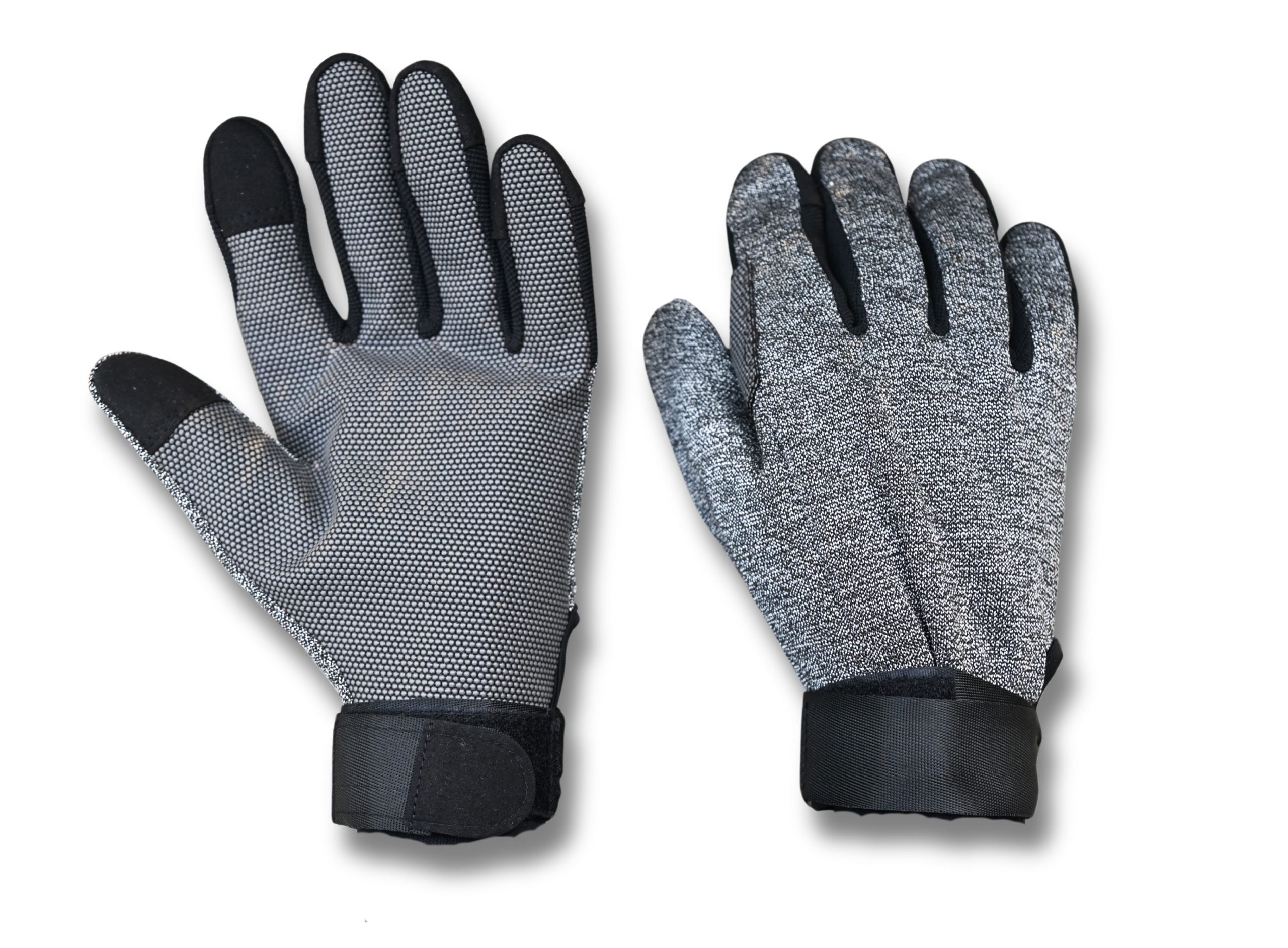
| Puncture Resistant Glove Trait | What It Does |
| Multi-layer build | Spreads the force of a sharp point over a wider area |
| Aramid fiber blends | Add strength without much added bulk |
| Steel or composite mesh | Blocks a direct hit at high-risk spots |
| Polymer coatings | Help a sharp tip slide instead of dig in |
| Fit and flexibility | Keeps protection steady during real hand movement |
Puncture Resistant Gloves vs Cut and Puncture Resistant Gloves
Cut- and puncture-resistant gloves protect against both hazards with a single glove. A puncture-only glove is designed to address risks from needles and points. It may lose some cut protection to stay thin and mobile. Puncture-only type is preferred for better hand feel by health workers. The combined type is often needed by workers with glass, metal or blades.
How Puncture Resistant Gloves Resist Repeated Touch of Needles
These gloves distribute the force to resist repeated needle contact. Inside the glove, every layer absorbs a little of the hit. That means a needle tip has to go through many layers, not just one. It’s this layered design that makes a glove truly protective, not just thick-feeling.
Material Layering and Density
The main factor in determining how many hits a glove can take is its layer density. Aramid fiber provides strength with very little weight. Steel mesh prevents direct entry in high risk areas such as fingertips. Polymer coatings help the needle tip slide off rather than pressing in. A finer weave spreads the force more evenly.
Why One Good Test Result Isn’t the Same as Long-Term Durability
One puncture test of a glove doesn’t mean it’s going to last through repeated use. That’s where lab ratings and real-world wear start to differ.
- Even if one hit does not go all the way through, small holes develop over time
- Material becomes fatigued with use, gradually losing strength
- Wear rate is different for different types of material
- The tips wear out faster than the palm, because they are the most hit
Understanding Puncture Resistance Ratings
Puncture resistance ratings are not standardized. The test groups are different in force level and rules. So a rating number alone doesn’t tell you much. You have to know what standard generated that number.
ANSI/ISEA vs EN 388 Puncture Ratings
The two test systems you will most frequently encounter are ANSI/ISEA 105 e EN 388. They are not equal scores.
| Standard | Region | Puncture Scale | Test Method |
| ANSI/ISEA 105 | Stati Uniti | Levels 1–5 | Push force measured in Newtons |
| IN 388 | European Union | Levels 0–4 (plus a “P” mark for needle tests) | Push force measured in Newtons |
| ISO 13997 (cut-focused) | International | N/A | Blade test, mainly used for cut ratings |
What the Rating Number Actually Measures
The puncture rating tells you how much force it takes to push a test probe through the glove. This is a lab test done in fixed conditions The higher the number stronger protection it usually is. But the exact meaning can vary depending on which standard sets the score.
- Force needed to break through, measured in Newtons
- Test carried out at one angle, in one event
- Several spots on the glove are tested and then the results are averaged
- The score doesn’t indicate how the glove performs after months of use
How Puncture Resistance Is Tested
To test puncture resistance, labs push a standard needle or probe through a glove sample. Constant force and a constant speed. They do this a few times on the same glove as the material can be slightly different in different places. Then they take an average and compare that to a pass or fail line.
- A probe is driven through the sample at a fixed speed and angle
- Several sites are tested, not just 1
- The results are averaged and adjusted to a rating scale
Where Lab Testing Differs From Real-World Use
How Lab Testing Differs from Real World Use Lab tests are done at a single fixed angle and point of contact. That is not the real risk from needles. Hands move and angles shift and contact happens over and over through a shift on the job. Therefore a high lab score does not always translate into a good grip after hours of real world use.
Puncture Resistant Medical Gloves: A Specialized Category
Puncture resistant medical gloves are designed with a different intention. Clinical work requires fine hand control. So these gloves tend to be thin all over, with extra strength just at the fingertips. That is the most likely place to get a needle stuck in you when you are shot or are having your blood drawn.
Balancing Dexterity and Protection in Clinical Settings
Clinics are a real trade-off. More puncture protection usually means more material. The thicker the material , the more difficult it is to feel small movements ( such as placing an IV line ) . So manufacturers add extra layers only where the risk is highest, instead of making the whole glove thick.
Puncture Resistant Work Gloves for Industrial Use
Puncture resistant work gloves are made for a different kind of hazard. Think sharp metal bits, broken glass or job site debris, NOT fine needle points. Such jobs usually require strong, general protection rather than fine finger control.
- Thicker materials to protect against wider point-force
- Less focus on fine hand feel more on impact & rub resistance
- Often combined with cut resistance for job sites with mixed hazards
- Extra palm padding for gripping rough materials all day long.
Durability Over Time: What Wears Down First
These gloves don’t just give up their strength. Bit by bit they wear down. And they wear out first in the same spots that are hit the hardest. This knowledge helps you recognize when a glove has gone from “safe” to “risky.
Signs a Glove Has Lost Its Puncture Protection
A busted glove usually gives good warning signs before it totally goes.
- Shiny or thin areas on the fingertips and palm
- Small tears or pinholes, even if nothing has gone through completely yet
- less flex than before often means the material is tired
- The coating is stiff or cracked after a lot of bending
How Often Should Puncture Resistant Gloves Be Replaced?
Puncture resist gloves should be replaced by the look of the gloves, not a date on the calendar.” A puncture resistant gloves for needles will wear out faster than one used rarely for light work if it is not good quality. Often check the fingertips and palm. That’s a better gauge than counting weeks or months.
What to Look for in the Best Puncture Resistant Gloves
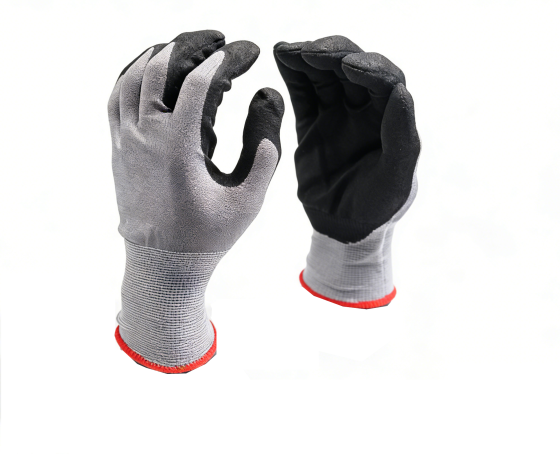
The best gloves are rated but the material and the fit are to your real job risk. Don’t just look for the biggest number on the label.
- The standard by which it is rated and what force level it is
- The material that suits your actual risk- needle, blade, or both
- A fit that still gives you good hand control for your task
- Maker data on long term wear, not just one test score.
- Extra padding is placed in areas where your hands actually get hit.
Common Mistakes When Choosing Puncture Resistant Gloves
Buyers make the same few mistakes when choosing safety gloves. Most result from reading a single number without the whole picture.
- think high cut score also means good puncture protection
- ANSI and EN numbers compared as if they are on the same scale
- A loose glove distributes force less evenly ignoring fit
- waiting for a glove to fail rather than looking for early signs of wear
Frequently Asked Questions
Will puncture resistant gloves completely prevent needle sticks?
These gloves reduce the chance of a needle stick but cannot guarantee full resist. Depends how hard a hit, how it hits, and how worn the glove is to start with.
- No glove will give you 100% protection
- Additional gloves and safe handling steps still needed
- A used glove is much less safe than a new
What’s the difference between puncture resistant and cut resistant gloves?
Puncture-resistant gloves protect you from sharp points pushing through. Gloves that resist cutting prevent a slicing motion.” These two are scored separately and are tested separately.
- A glove may do well on one test and poorly on the other
- Gloves that resist cuts and punctures cover both hazards at once
- Select according to the real task, not just the label
How is glove puncture resistance rated and tested?
The resistance of a glove to puncturing is measured by the force (in Newtons) needed to push a test probe through the material. Two main test systems used are ANSI/ISEA and EN 388.
- Tests performed under fixed, single-event laboratory conditions
- Test and average multiple locations on each glove
- Higher means a stronger protection in that same scale
Do these gloves degrade with repeated use?
Yes, these gloves do wear out after repeated use. Protection can fall away long before glove is broken. At the points that are hit most, small punctures and material fatigue build up.
- Usually fingertips and palms wear out first
- Shiny or thin areas are early warning signs
Do these gloves wear out with repeated use?
Are medical grade puncture resist gloves different than work gloves. Yes, medical gloves that are puncture resistant are different than work gloves. Medical gloves are thin all over, with extra strength only on the fingertips.
- Work gloves utilize thicker material over the entire glove
- Medical gloves that have great hand feel with added strength where needed
- This choice is based on the type of risk, needle versus blade or debris
Conclusion
These gloves are good for 3 reasons: a good material design, a clear rating standard, and lasting strength after repeated use. There is no glove that guarantees completeness. Always consider the rating number and how the glove might perform on your job over time.
If you are seeking puncture resistant gloves for medical, industrial or mixed risk work, Shanghai Zimai Safety Technology Co., Ltd. is worth a look. The company produces a series of cut and puncture resist gloves with clear material and test data.